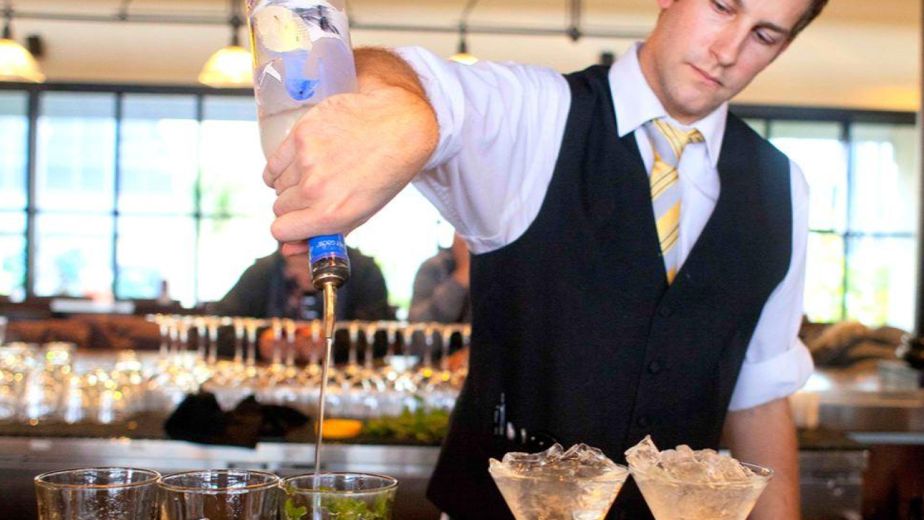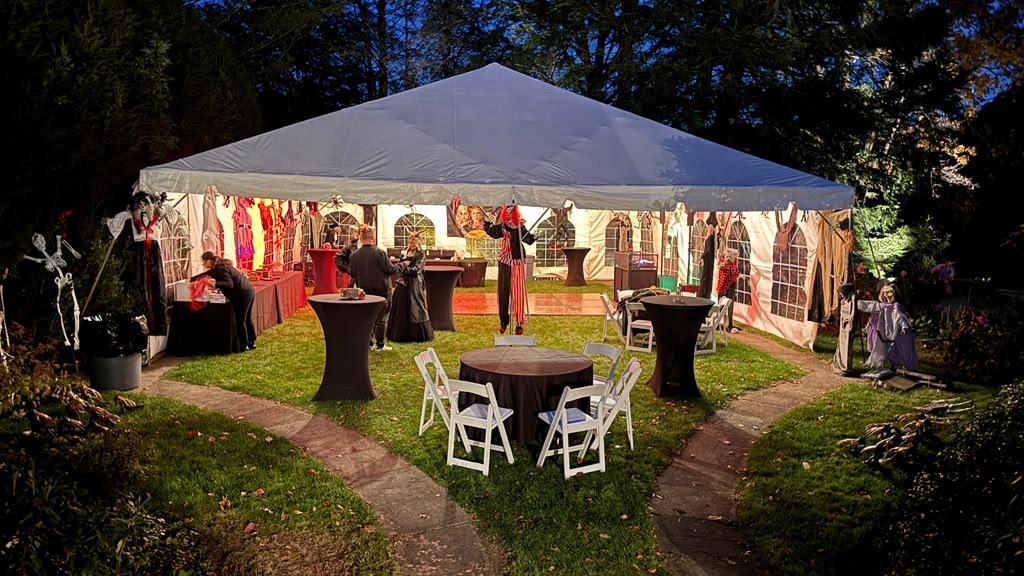
Quick Answer: An open bar means the host pays for all drinks, while a cash bar means guests buy their own. Open bars cost more but are considered better hospitality. Most hosts land somewhere between the two, using a limited bar, a drink ticket system, or a consumption bar with a spending cap.
Few planning decisions cause more quiet stress than this one. The budget says one thing, your sense of hospitality says another, and somewhere in the back of your mind is a relative who will absolutely have an opinion about it. The good news is that the two extremes are not your only options, and the middle ground is where most well run events actually land.
Here is how each format works in practice, what it does to your budget, and the one legal detail that catches hosts in Connecticut off guard.
What Is the Difference Between an Open Bar and a Cash Bar?
Open bar: The host covers the full cost of drinks for the entire event. Guests order freely and never see a price. Billing is handled either per person, per hour, or by actual consumption.
Cash bar: Guests pay for each drink themselves. The host pays little or nothing toward alcohol, though a bartender fee and a setup charge usually still apply.
| Factor | Open bar | Cash bar |
|---|---|---|
| Who pays | Host | Guests |
| Typical budget impact | High and variable | Low and predictable |
| Guest perception | Generous, expected at weddings | Can feel unexpected at formal events |
| Line speed at the bar | Faster, no payment step | Slower, payment adds time per order |
| Consumption levels | Higher | Noticeably lower |
| Permit requirements | Simpler for private events | Requires a liquor permit to sell |
| Best suited to | Weddings, client events, milestone celebrations | Fundraisers, reunions, casual public gatherings |
Is a Cash Bar Rude?
Not inherently, but context decides it. The real question is whether guests were led to expect something different.
A cash bar reads as perfectly normal at a class reunion, a charity event, a community fundraiser, or a casual party at a brewery or restaurant. It reads as a surprise at a formal evening wedding, a black tie gala, or a corporate client dinner, especially when guests have traveled and paid for hotels.
Two practical ways to handle it well:
- Tell people in advance. A single line on the invitation or wedding website such as “beer, wine and a signature cocktail hosted, full bar available for purchase” removes all awkwardness.
- Never make the first drink a transaction. Host a welcome drink as guests arrive, then move to a cash or limited bar. Guests remember the arrival moment far more than what happens in hour three.
What genuinely does read as poor hospitality is an unannounced cash bar at a formal event where guests arrive with no cash and no warning.
How Much Does an Open Bar Actually Cost?
Open bars are priced one of three ways, and the structure matters more than the headline number.
| Pricing model | How it works | Best when |
|---|---|---|
| Per person, per hour | Flat rate per guest for a set number of hours | You want a predictable total and a crowd that drinks moderately to heavily |
| Consumption based | You pay only for what is actually poured, billed at the end | Your crowd is light drinking, mixed age, or includes many non drinkers |
| Host provides alcohol | You buy the alcohol, the service provider supplies bartenders, bar equipment and mixers | The venue allows outside alcohol and you can buy on return |
Consumption pricing is underused and frequently the smarter choice. If your guest list includes a lot of parents with young children, designated drivers, or guests who simply do not drink much, a flat per person rate means you are subsidizing drinks nobody ordered. Ask any provider to quote both ways, then compare.
How Many Drinks Should You Plan For?
Use one drink per guest per hour as your baseline, then adjust upward for the first hour, when consumption is always highest.
For 100 guests over four hours, that is roughly 400 drinks total. These standard yields let you translate that into bottles:
- One 750 ml bottle of wine pours about 5 glasses
- One 750 ml bottle of spirits pours about 16 servings at 1.5 oz each
- One half barrel keg holds about 165 twelve ounce beers
- A common split is 50 percent cocktails and spirits, 30 percent wine, 20 percent beer, though this shifts heavily by season and crowd
A summer afternoon event in Fairfield County leans toward beer, rosé and spritzes. A December holiday party leans toward red wine and brown spirits. Plan the ratio around your actual date, not a generic template.
What Are the Best Alternatives to Choosing One or the Other?
Most experienced hosts never pick a pure open bar or a pure cash bar. These hybrids solve the budget problem without the etiquette problem.
Beer, wine and one signature cocktail. The most popular option by a wide margin. It covers the vast majority of what guests actually want, cuts spirits costs significantly, and the signature cocktail becomes a talking point rather than a limitation. Give it a name tied to the occasion.
Drink tickets. Each guest receives two or three hosted drinks, then pays after that. Keeps costs capped and genuinely slows overconsumption. The downside is that it can feel transactional, so hand tickets out discreetly rather than at a check in desk.
Hosted bar with a spending cap. The bar runs as fully open until it reaches a dollar limit you set, then switches to cash. Ask to be notified at 80 percent of the cap so you can decide whether to extend rather than being switched over mid toast.
Hosted cocktail hour, cash bar after dinner. The arrival and cocktail hour are hosted, which covers the moment that matters most, then the bar converts for the dancing portion.
Wine and beer service at the table. Skip the bar entirely for part of the evening. Bottles on tables plus a passed welcome drink can cost less than a staffed bar and keeps guests seated and talking during dinner.
Do You Need a Liquor Permit for a Cash Bar?
This is the detail that surprises hosts most often. In Connecticut, selling alcohol requires a liquor permit issued through the Department of Consumer Protection Liquor Control Division. That means a private host cannot simply charge guests for drinks at a rented hall or at home, even informally, without a permitted party handling the sale.
In practice this is why cash bars almost always run through either the venue, which holds its own permit, or a caterer or bar service that holds a permit allowing it. If you are planning a cash bar at a private estate, a barn, a yacht club, or any venue without its own liquor license, confirm in writing who is holding the permit before you promise guests a cash bar.
A few related points worth verifying for any event serving alcohol:
- Whether the venue requires certified bartenders and proof of liquor liability insurance
- The venue’s hard stop time for alcohol service, which is often earlier than the event end time
- Whether outside alcohol is permitted at all, since many venues prohibit it outright
- Your own host liability exposure, which a homeowners policy may or may not cover for a large event
Rules change and vary by permit type, so confirm specifics with the Liquor Control Division or your venue rather than relying on what a friend did at their wedding two years ago. For high guest counts or an unlicensed private venue, a licensed bar service is the cleanest way to stay compliant.
What Mistakes Do Hosts Make Most Often?
- Understaffing the bar. One bartender per 50 to 75 guests is the workable ratio for a hosted bar. Cash bars need more, because every order includes a payment step. Two bartenders at a 150 guest event will produce a line that never clears.
- Forgetting the non drinkers. A thoughtful zero proof option is now expected, not optional. Two or three good non alcoholic choices cost very little and are noticed.
- No water station. Guests who can reach water drink less alcohol and feel better the next day. Put it somewhere other than the bar so it does not add to the line.
- Opening the bar during the ceremony or speeches. Guests leave their seats and the room empties. Close the bar briefly during key moments.
- Running out of ice or garnish rather than alcohol. It is almost never the liquor that runs short first.
- Not arranging rides. For evening events in towns like Darien, New Canaan and Wilton, where rideshare coverage thins out late, arranging shuttle or car service in advance is a genuine courtesy, not an extravagance.
Key Takeaways
- An open bar means the host pays for everything, a cash bar means guests pay, and most well planned events use something in between.
- A cash bar is not rude when guests are told in advance, but it reads poorly when it is a surprise at a formal event.
- Beer, wine and one signature cocktail is the most reliable compromise, covering most guest preferences at a much lower cost than a full open bar.
- Ask for consumption based pricing alongside any per person quote, especially if your crowd includes many light or non drinkers.
- Plan one drink per guest per hour, weighted toward the first hour.
- In Connecticut, selling drinks requires a liquor permit, so confirm who holds it before advertising a cash bar.
- Staff one bartender per 50 to 75 guests for a hosted bar, and more for a cash bar.
Frequently Asked Questions
Is an open bar or a cash bar cheaper for the host?
A cash bar is cheaper, since guests cover the alcohol. You will still pay for bartenders, bar setup, glassware and sometimes a bar minimum. Expect to pay those service costs under either format.
How long should a bar stay open at a wedding?
Four to five hours of total service is typical, often split as a one hour cocktail reception followed by three to four hours of reception service. Most venues close the bar 30 to 60 minutes before the event ends.
Can you have a cash bar at a wedding?
Yes, and many couples do. Announce it ahead of time on the wedding website, host at least the arrival drink, and make sure your venue or bar service holds the liquor permit required to sell drinks.
What is a consumption bar?
A consumption bar is a hosted bar where you are billed only for the drinks actually poured, rather than a flat per guest rate. It often saves money for crowds that drink lightly, and it lets you set a spending cap.
How many bartenders do I need for 100 guests?
Two bartenders handle 100 guests comfortably at a hosted bar. Add a third if you are running a cash bar, serving a complex cocktail menu, or working with a single service point and a tight timeline.
Do guests drink less at a cash bar?
Yes, consistently. Paying per drink reduces overall consumption, which is one reason some hosts choose a limited or ticketed bar for events where pacing matters.
What should I offer guests who do not drink alcohol?
Plan two or three zero proof options beyond soda, such as a mocktail version of your signature drink, sparkling water with fresh garnish, or a seasonal punch. Treat the presentation the same as the cocktails.
Should I provide a signature cocktail?
A signature cocktail is an easy way to add personality while controlling cost, because it narrows what the bar needs to stock. Pick something that can be batched in advance so it does not slow service.
Final Thoughts
There is no single correct answer to open bar versus cash bar. There is only the version that fits your budget, your guest list and the tone you want the evening to have. Decide the format first, confirm the permit situation second, then build the drink menu to match. Handled in that order, the bar becomes the easiest part of your planning instead of the part you keep revisiting.
If you are weighing bar formats for an event in Stamford or anywhere in Fairfield County and want a second opinion on what will actually work for your guest count, we are happy to talk it through.